Installing a new air conditioner is one of those purchases where the headline price is only the beginning. The real long-term cost and peace of mind come from the details that live inside the warranty paperwork and the actions you take after the installers leave. In Lexington the summers can push systems hard for months at a stretch, and the difference between a one-year labor warranty and a five-year parts-and-labor policy can mean hundreds or even thousands of dollars over the life of a system. This article walks through the warranty landscape so you can choose, negotiate, and protect your cooling investment.
Why warranty details matter here and now
Lexington summers are humid and often warm enough to run a central AC almost daily for weeks. You will rely on your system during peak demand, and failures tend to occur under that stress. Warranties that look generous on paper can be narrow in practice, with maintenance obligations, registration windows, or excluded components that turn an apparent "free repair" into a billable hour. Understanding what manufacturers typically cover, what contractors usually warrant, and the small administrative steps that preserve coverage will save you frustration and money.
Kinds of warranties you will encounter
There are three distinct warranty types you should treat separately when considering AC installation in Lexington.
Manufacturer parts warranty. This covers replacement parts supplied by the equipment maker. Standard coverage on modern residential condensers and air handlers often runs from five to ten years for most parts, but there are frequent exceptions: compressors sometimes have a separate longer or shorter term, and electronic control boards can be treated differently. Some premium brands extend core component coverage to 10 or 12 years, but those extended terms commonly require product registration within a set window, usually 60 to 90 days after installation.
Manufacturer labor warranty. Rarely does a manufacturer cover the labor to install replacement parts. Labor is almost always the contractor's responsibility unless you buy an add-on warranty from the manufacturer or from a third party. If a critical part fails on a weekend night in July, parts might be covered but a local technician's travel and labor could be charged to you unless your installing contractor guarantees labor.
Contractor labor and workmanship warranty. Reputable HVAC contractors usually provide a workmanship warranty that guarantees their installation and the adjustments they make. Typical durations are one to five years. This covers installation mistakes such as incorrect refrigerant charge, improperly sized ductwork connections, or unsafe wiring. A workmanship warranty is where the installer stands behind their work, and it is where the phrase "call the company who installed it" truly matters.
Extended and third-party warranties. Manufacturers sometimes sell or bundle extended warranties for additional years of parts coverage. Independent warranty companies also offer extended plans that include labor. Evaluate these carefully, because third-party plans can have service network limits, exclusions for preexisting conditions, or caps on repair costs.

Common warranty gotchas and how they become void
I once had a homeowner call late August about a compressor failure. The unit was still under a parts warranty, but the warranty was voided because the system had never been registered and annual maintenance records were missing. The repair bill could have been avoided with two small actions: register the equipment and keep receipts for one annual tune-up.
Registration and deadlines. Many manufacturer warranties require you to register a new system within a strict timeframe after installation. If you miss that window the full advertised coverage can downgrade to a much shorter period, sometimes from ten years to one year. Registration is often a simple online form, but it matters.
Maintenance requirements. Manufacturers and many contractors require regular professional maintenance to keep the warranty valid. That usually means an annual service visit that documents refrigerant level, airflow, electrical checks, and condensate drain condition. A homeowner who does no maintenance and points to a warranty when the compressor fails will likely be told the failure was avoidable. Keep service records and invoices. Photograph them if you file claims years later.
Unauthorized repairs. Using a cheap handyman or a non-licensed technician for repairs may void coverage. Manufacturers often state that only certified dealers or licensed HVAC professionals may perform warranty work. Before authorizing a repair, check whether the technician's work will affect warranty standing.
DIY modifications. Adding non OEM parts, altering controls, or changing refrigerant type without approval will commonly void warranties. Examples include installing a different thermostat type without a compatible communications module or attempting a refrigerant retrofit without approval.
Environmental and installation exclusions. Some warranties exclude failures caused by environmental factors such as corrosive atmospheres, insect nests, or flood damage. More commonly, improper installation practices such as undersized copper lines, poor brazing, or inadequate pan sloping can be deemed the cause of failure and therefore not covered.
What good warranties actually look like
A robust warranty package for AC installation in Lexington would include two key elements: manufacturer parts coverage of at least five years for major components, preferably longer for the compressor, and a contractor labor warranty of at least one to three years. A concrete example: a local dealer might offer a 10-year manufacturer parts warranty but only a one-year labor warranty. If the dealer includes a complimentary two-year labor warranty on compressor replacement or offers a paid upgrade to five years of labor, that upgrade can be worth the cost given compressor expense.
Think about probability and cost. Compressors and motors are expensive components. Replacing a compressor can cost a significant portion of the original system price, particularly on a high-efficiency unit. For many homeowners, paying a few hundred dollars extra at installation for extended labor coverage makes sense because a single out-of-warranty compressor replacement can run into the thousands, especially when emergency service is involved.
How to evaluate a contractor’s warranty offer
Ask direct questions that force specificity.
Ask how long the contractor’s workmanship warranty lasts and whether it covers labor for parts failures during that period. Confirm whether emergency callouts outside normal business hours will be billable and whether any travel fees apply.
Request the exact warranty language before you sign. Vague promises are useless. Read exclusions and note maintenance obligations. If the contractor cannot produce simple written terms, treat that as a red flag.
Check the fine print on transferable coverage. If you plan to sell your home within the next few years, a transferable warranty is a selling point. Some manufacturer warranties transfer automatically; others require a modest fee or notice.
Check the installer’s licensing and insurance. Warranties are only useful if the installer remains in business and is reachable. Verify Massachusetts license numbers, liability insurance, and local references. Look for a local presence in Lexington or nearby towns, because long response times degrade the practical value of coverage.

Document everything at handover. When the job finishes insist on a packet that includes the OEM warranty paperwork, the contractor’s warranty, greenenergymech.com Plumbing service near me the invoice showing model and serial numbers, and a maintenance schedule. Take a photo of the equipment label yourself the day it goes online.
A five-point warranty checklist to use at signing
- Confirm registration responsibilities and do it immediately. Get the contractor's workmanship warranty in writing with clear start and end dates. Validate whether parts coverage is for parts only or parts plus labor. Note any maintenance obligations and set recurring reminders. Verify transferability and how to complete a transfer if you sell the house.
How maintenance interacts with warranty and longevity
Performing scheduled maintenance is not just about preserving warranty coverage; it also extends system life and efficiency. A well-maintained system in Lexington will likely reach the upper end of typical lifespans, which for modern central air systems is often 12 to 20 years, depending on usage, installation quality, and local conditions.
Typical maintenance tasks that carriers and manufacturers expect during annual visits include cleaning coils, checking refrigerant pressure, testing electrical components, lubricating moving parts where applicable, inspecting condensate drains, and verifying airflow. Those items reduce stress on compressors and motors and prevent small problems from becoming catastrophic failures. Keep the service receipts and schedules; some warranties require them for any claim beyond the first year.
Handling a warranty claim: practical steps that work
Stay calm and methodical. A loud complaint rarely speeds a claim, but clear documentation does. Start by calling the contractor who installed the unit. If the problem falls within a manufacturer parts warranty and the installer is defunct or refuses service, call the manufacturer directly and ask about authorized service providers in the Lexington area.
Photograph and record the equipment nameplate, the unit’s serial number, and any visible damage. Submit copies of maintenance invoices and registration confirmations. If the manufacturer requires an authorized technician to diagnose the issue before approving parts, arrange that inspection promptly and in writing.
If the claim is denied, ask for a written reason and the specific clause in the warranty that supports the denial. If the denial seems unjustified, collect all correspondence and consider contacting Massachusetts' consumer protection resources or an independent third-party inspector. Often a polite escalation backed by documentation produces a different outcome.
Handling emergency breakdowns
Searching for "Emergency AC repair near me" is a common late-night exercise when the house gets hot and humid. Emergency service calls can be expensive, but sometimes unavoidable. Before an emergency happens, ask your installer about emergency response: do they offer 24/7 service? If yes, is emergency labor covered under any labor warranty? If not, get a clear estimate for after-hours rates and put an emergency contact number in your wallet. For many homeowners, a service contract with a local firm that includes priority calls and discounted emergency rates is worth the yearly cost.
Special considerations: refrigerant rules and environmental factors
Regulatory changes in refrigerants affect warranties. If your new installation uses one type of refrigerant and future regulation phases that refrigerant out, warranty language may differ on retrofit work. Discuss with your contractor how refrigerant transitions would be handled, who pays for conversions, and whether the manufacturer offers retrofit kits and support.
Also consider the local environment. Homes close to busy roads or older neighborhoods with salt or deicing runoff may experience faster corrosion of outdoor coils. Some manufacturers offer optional corrosion-resistant coatings or use materials that stand up better to such conditions. Ask about those options when evaluating warranties and shop quotes.
Why reputation matters as much as written timeframes
A five-year warranty from a small, unproven installer who might close next season is worth less than a three-year warranty from an established Lexington company with solid local reviews and decades of experience. Reputation indicates how warranty service will play out in practice. A contractor who promptly honors calls, documents maintenance, and helps navigate manufacturer processes adds intangible value you will appreciate during a breakdown.
A local example: Green Energy AC Heating & Plumbing Repair
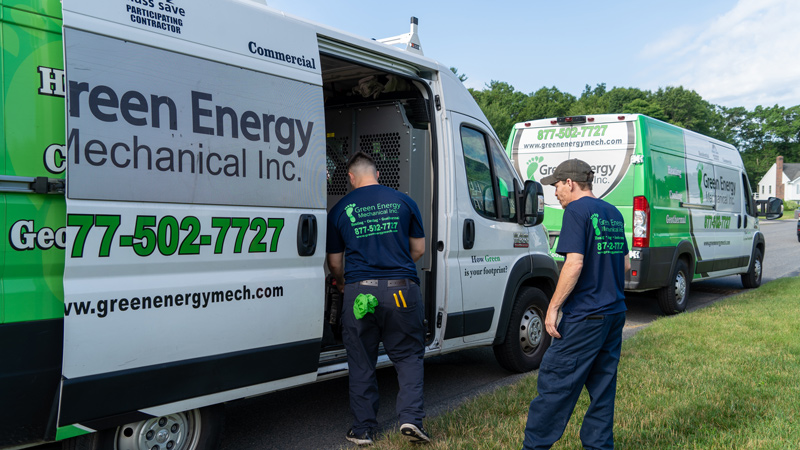
Local contractors that understand Lexinton’s needs and environment provide not just installation but long-term support. If a company like Green Energy AC Heating & Plumbing Repair offers transparent warranties, clear service scheduling, and a history of local emergency response, that combination can outweigh slightly lower bids from unknown providers. Ask about their warranty handling practices, whether they handle manufacturer warranty submissions, and whether they provide annual maintenance reminders.
Negotiation tips that actually work
Don’t accept the first offer. Warranties are negotiable. Ask for extended labor coverage on critical components like the compressor for a price, or request free registration and initial maintenance visits. Sometimes a contractor will include an extra year of labor or a reduced-price service contract to close the sale.
Bundle instead of buy piecemeal. If you plan annual maintenance anyway, negotiate a multi-year maintenance contract at the time of installation that includes priority warranty handling. Bundles can reduce total annual costs and reduce the administrative friction that leads to missed services and voided warranties.
Get everything in writing. Oral promises are useful until a problem occurs. At that point they become unverifiable. A handwritten note or an email confirmation will avoid that dispute.
Final judgment calls
Warranties transform an AC purchase into a multi-year relationship. The right choice balances manufacturer strength, contractor reliability, and maintenance discipline. If you prioritize long-term peace of mind, opt for longer parts coverage with at least a two- to three-year contractor labor warranty, commit to an annual maintenance schedule, and keep all paperwork organized. If you plan to sell soon, weigh transferability, because a transferable warranty can make your house more attractive in Lexington's market.
A thoughtful purchase avoids surprises. Register equipment right away, schedule and document AC repair in Lexington MA annual maintenance, insist on written warranties, and choose a local contractor you trust to answer the phone when the heat spikes. Those steps turn warranty language from a piece of paper into real protection when you need it.
Green Energy AC Heating & Plumbing Repair
76 Bedford St STE 12, Lexington, MA 02420
+1 (781) 896-7092
[email protected]
Website: https://greenenergymech.com